
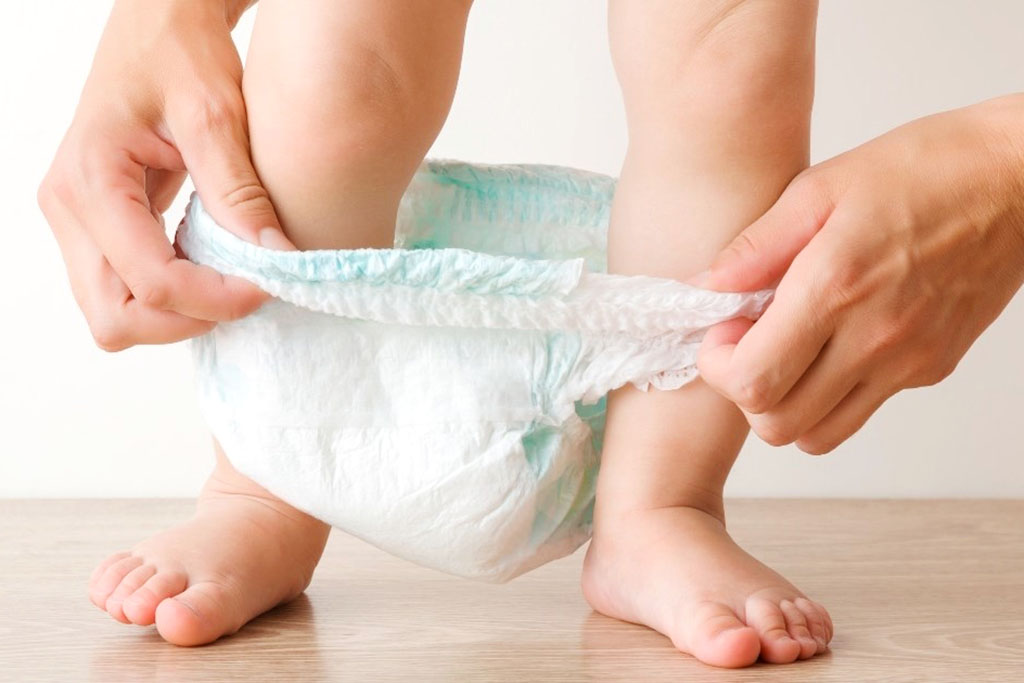
Today’s parents are looking for disposable diapers. Cause it is eco-friendly. Disposable diapers or nappies are made from wood pulp, cotton, viscose rayon, SAP, polyester, polyethylene, and polypropylene. Diapers are made of cotton, SAP, or synthetic disposable materials. It privately allows smooth urination. Disposable diapers contain absorbent chemicals and are thrown away after use. These have environmental impacts across their entire life cycle.
Disposable Diapers
Disposable diapers are absorbent products for personal hygiene. It is designed to absorb and retain urine and feces from babies. The effects of single-use diapers on the environment are often worse in the developing world. Lack of proper waste management is responsible for worse situations.
- Collecting diaper waste is a challenge. Our observations are-
- A diaper can become about five times heavier after a baby wears it.
- Pee and poo in the diaper makes it difficult to store.
- Bad smell is the main hindrance to collecting waste diapers.
- Public health issue.
- May contain pathogens and medicine residues.
- Requires frequent collection.
- Better transportation is needed.
- Sanitization for mechanical recycling solution.
- Parents’ attitudes to diaper waste collection vary from place to place.
What else are we doing for less waste?
A waste management process should be applied. The “3R” concept in waste minimization is very effective. The “3R” means Reduce, Reuse, and Recycle. Untangle the absorbent polymers from diapers and recycle them into materials similar to the adhesives used in sticky notes and bandages. We’re dedicated to reducing diapering waste to make the world a better place for babies.