
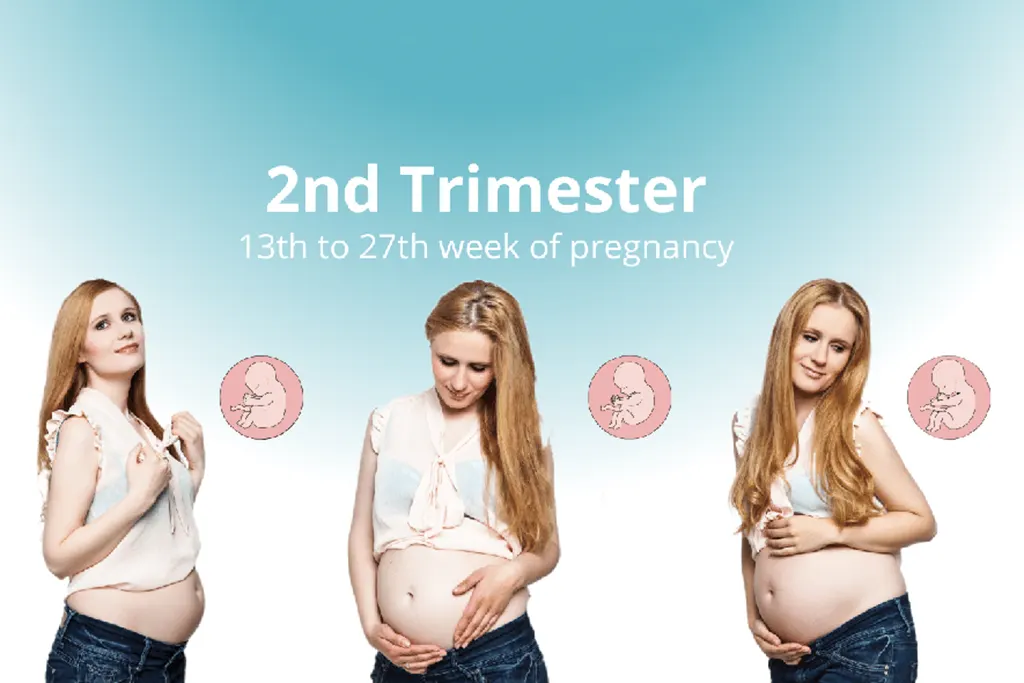
Congratulations, you have made a safe journey till now. It is your time to stay calm and be overwhelmed. This phase of pregnancy is more enjoyable for you. You may not experience any morning sickness or this may get lessened than before. The main attraction is your baby bump. It will be more visible though not that much. Stay with us to learn more about your 2nd trimester; from the start to end and much more.
Key Moments of the Second Trimester of Pregnancy
| Baby’s Development | Symptoms | Second Trimester Tips |
| Baby’s organs, muscles, and bones continue to grow and develop. | You may start feeling more energized as early symptoms subside. | Eat a balanced diet rich in nutrients to support the baby’s growth. |
| Baby’s senses, like hearing, begin to develop. | Increased appetite due to the growing baby. | Drink plenty of water and stay hydrated. |
| Baby starts moving, and you may feel kicks and flutters. | Back pain, leg cramps, and stretch marks may appear. | Wear comfortable shoes and clothing to support your body. |
| Baby’s facial features, eyes, ears, and nose become more defined. | Some women experience increased blood volume, causing mild swelling. | Take breaks if you feel fatigued, and try light exercise like walking. |
| Baby begins to store fat and develop skin layers. | You may notice changes in your skin, like the “pregnancy glow.” | Start planning for baby gear and nursery items. |
| Baby can respond to sounds, such as your voice. | Hormonal changes may still cause occasional mood swings. | Keep track of your symptoms and ask your doctor any questions. |
| Baby’s movements become more noticeable and regular. | You may feel your body adjusting to the changes, like bigger breasts or a growing belly. | Focus on relaxation techniques to reduce stress. |
2nd Trimester of Pregnancy Duration and End Timeframe
The second trimester of pregnancy lasts for approximately 14 to 27 weeks.
Duration:
- Starts: At the beginning of week 14.
- Ends: At the end of week 27.
End Timeframe:
- The second trimester officially ends when you reach week 28, marking the beginning of the third trimester.
- During the second trimester, many women feel more comfortable as early pregnancy symptoms like nausea and fatigue subside, and the baby’s growth accelerates.
Tracking Your Baby’s Development in the Second Trimester
Here’s a simple breakdown of key developments in the second trimester:
Baby’s Growth and Development:
- Physical Growth: The baby grows rapidly, and by the end of the second trimester, they are typically around 14 inches long and weigh about 2 pounds.
- Organ Development: Major organs like the heart, lungs, and kidneys continue to mature and start functioning more independently.
- Facial Features: The baby’s facial features become more defined, with eyelids fully formed and the eyes beginning to open.
- Movement: The baby begins to move more, and you will likely feel those first flutters or kicks, especially as muscles and bones strengthen.
- Hearing: The baby can now hear sounds from outside the womb, including your voice and other noises.
Key Development Stages:
- Skin and Fat Development: The baby’s skin, though still translucent, begins to develop fat stores, which help with temperature regulation.
- Hair Growth: Hair begins to grow on the baby’s head, and tiny eyebrows and eyelashes may also start to form.
- Breathing Movements: Although the lungs are not fully developed, the baby will begin practicing breathing movements.
Senses and Reflexes:
- Taste and Smell: The baby’s taste buds develop, and they may begin reacting to different tastes in the amniotic fluid.
- Sucking Reflex: The baby’s sucking reflex becomes more pronounced as they prepare for feeding after birth.
2nd Trimester Symptoms
Here are the most common 2nd trimester symptoms:
1. Reduced Morning Sickness
- Nausea and vomiting from the first trimester often subside, making this a more comfortable phase.
2. Increased Appetite
- Many women feel hungrier as their body needs more energy to support the growing baby.
3. More Energy
- Fatigue usually decreases, and many women feel more energized and less tired compared to the first trimester.
4. Belly Growth
- Your belly starts to show more as the baby grows, and you may notice a rounder, more noticeable bump.
5. Stretch Marks
- As your belly and breasts expand, stretch marks may appear on your skin.
6. Back Pain
- Increased weight and changes in posture may lead to lower back pain or discomfort.
7. Leg Cramps
- Some women experience cramps in their legs, especially at night.
8. Skin Changes
- You might notice a “pregnancy glow” due to increased blood circulation, but some may also develop acne or dark spots (melasma).
9. Nasal Congestion
- Increased blood flow can lead to swelling in the nasal passages, causing stuffiness or nosebleeds.
10. Increased Vaginal Discharge
- It’s common to have more vaginal discharge, which is usually thin, milky, and odorless.
11. Heartburn and Indigestion
- As the baby grows, your digestive system may slow down, leading to heartburn, indigestion, or acid reflux.
12. Varicose Veins
- Swollen veins, especially in the legs, may appear due to increased blood volume and pressure from the growing uterus.
13. Quickening (Feeling Baby’s Movements)
- Many women feel the baby move for the first time, which can feel like flutters or light tapping.
14. Breast Changes
- Your breasts may become fuller and more sensitive as they prepare for breastfeeding.
Precautions to Follow in 2nd Trimester
Here are some precautions to follow during the 2nd trimester of pregnancy:
- Continue Taking Prenatal Vitamins – Keep taking vitamins with folic acid and other essential nutrients.
- Eat a Healthy Diet – Focus on balanced meals with plenty of fruits, vegetables, and proteins.
- Stay Hydrated – Drink plenty of water to keep your body hydrated.
- Exercise Gently – Stay active with light exercises like walking or swimming, but avoid high-impact activities.
- Rest When Needed – Take breaks and ensure you get enough sleep to stay energized.
- Wear Comfortable Clothes and Shoes – Choose loose-fitting clothes and comfortable shoes to avoid discomfort.
- Monitor Weight Gain – Follow your doctor’s advice on healthy weight gain and avoid overeating.
- Avoid Stress – Practice relaxation techniques, like deep breathing or meditation, to reduce stress.
- Get Regular Prenatal Check-ups – Keep up with your doctor visits to monitor your health and baby’s development.
- Be Mindful of Your Posture – As your belly grows, be conscious of your posture to prevent back pain.
- Prevent Skin Irritation – Moisturize your skin to prevent stretch marks or dryness.
- Avoid Certain Foods – Continue to avoid raw or undercooked foods, unpasteurized dairy, and high-mercury fish.
Signs That It’s Time to Contact Your Healthcare Provider
- Here are the signs that you should contact your healthcare provider during the 2nd trimester:
- Heavy Bleeding – Excessive bleeding or passing large clots.
- Severe Abdominal Pain – Intense or crampy pain that doesn’t go away.
- Severe Headaches – Persistent or extremely painful headaches.
- Vision Changes – Blurry vision, seeing spots, or sudden loss of vision.
- Severe Swelling – Sudden or excessive swelling in the hands, feet, or face.
- Painful Urination or Blood in Urine – Possible sign of a urinary tract infection (UTI).
- Signs of Preterm Labor – Regular contractions, lower back pain, or pressure in the pelvic area.
- Dizziness or Fainting – Feeling lightheaded or faint, especially if it’s frequent.
- Sudden Weight Gain – Rapid weight gain, especially with swelling, could indicate a problem.
- Decrease in Baby’s Movement – A noticeable decrease in the baby’s usual movement patterns.
Your Second Trimester To-Do List
Keep taking prenatal vitamins.
Attend your doctor appointments.
Eat healthy foods for both you and the baby.
Start shopping for baby essentials (clothes, diapers, etc.).
Track the baby’s movements and inform your doctor of any changes.
Stay active with light exercise.
Get enough rest and sleep.
Schedule any prenatal tests or ultrasounds.
Moisturize your skin to prevent stretch marks.
Think about your birth plan.
Consider childbirth classes for preparation.
- Check on maternity leave with your employer.