
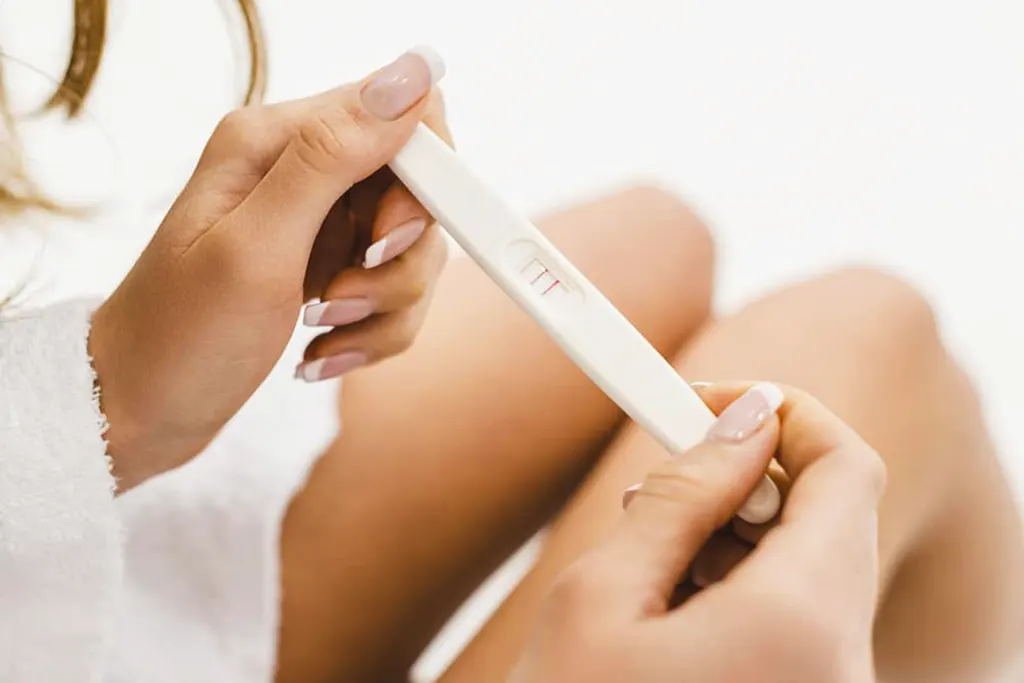
Missed a period!!Feeling hormonal changes!!Morning Sickness!! What comes to your mind? “That You Are Pregnant!!!”. So, for you, these symptoms might not be enough. You may go for a pregnancy test. It may be a home pregnancy test or a clinical pregnancy test. And if you get a positive result, then congratulations!!! Here you will get to know more about pregnancy, the journey of a new beginning. So let us have look.
Common Symptoms of Being 1 Month Pregnant
Every pregnancy journey is unique and special. You may experience different changes in yourself. At 1 month of pregnancy, there are several symptoms that every mother-to-be commonly faces. Let us know about these common symptoms of being 1 month pregnant-
- Missed Period: One of the earliest signs of pregnancy is a missed period. For a natural menstrual cycle then you may think of being pregnant if you miss your period and it never arrives. However, some women still experience light bleeding or spotting.
- Morning Sickness: Due to your hormonal change, you may experience morning sickness like nausea. It may come with or without vomiting. It is a very common symptom that only some lucky moms-to-be do not face.
- Fatigue: You will get tired more easily than the regular time. It happens because of the hormonal changes.
- Mood Swings: During periods you may face mood swings. This hormonal change can affect your mood, leading to emotional ups and downs during this time.
- Frequent Urination: At the beginning of your pregnancy, you will face many hormonal changes. One of these is frequent urination.
- Breast Changes: Your breasts may feel tender, swollen, or sore as they begin to prepare for milk production. Your body will get used to this hormonal change.
- Food Cravings or Aversions: Many mothers-to-be experience a heightened sense of smell and changes in taste, leading to cravings or aversions of certain foods. In fact you may not like to be around the kitchen.
- Bloating and Gas: Hormonal changes can slow down digestion, causing bloating, constipation, or increased gas.
- Light Spotting or Implantation Bleeding: The fertilized egg implants in the uterus. So, some of the moms-to-be may face very slight bleeding in their underwear.
- Headaches and Cramps: Hormonal changes can trigger headaches or migraines in some women. Like menstrual cramps, you may feel during the first few weeks. If the pain is unbearable for you, you may consult with a gyni.

What to Expect in Your Body at 1 Month Pregnant
A mom-to-be may not face any visible change to the body. However, this month is a very crucial month for her.
From this starting month, you need to concentrate on your body health and nutrition. If your body gets the desired nutrition, then it will help your baby to grow in a healthy way. You need extra care and attention. When you get to know that you are pregnant, consult with a good gyno doctor for your regular checkups. Sometimes mom-to-be needs some extra multivitamin supplements except for the food.
You can start doing exercise and yoga for the better growth of your baby. Every single step you are taking, be careful. During your pregnancy, you need to be happy. Always do such things that make you happy.
The Role of Hormones in the First Month of Pregnancy
The hormone plays a vital role during your pregnancy. There are some crucial hormones that are actively connected to your pregnancy. Let us talk about some of those-
1. Human Chorionic Gonadotropin (hCG)
hCG is the hormone detected in pregnancy tests. It is produced by the placenta shortly after the embryo implants in the uterus. hCG helps maintain the corpus luteum, which is essential for producing progesterone in the early weeks of pregnancy.
- Function: It signals the ovaries to stop releasing eggs and supports the corpus luteum. This produces progesterone that maintains the uterine lining for the embryo’s growth.
2. Progesterone
Progesterone is critical for the maintenance of pregnancy, especially during the first trimester. It is produced initially by the corpus luteum and later by the placenta.
- Function: Progesterone helps to thicken the uterine lining (endometrium) for the embryo to implant and stay nourished. It also helps prevent uterine contractions that could expel the embryo.
3. Estrogen
Estrogen levels rise significantly during the first month of pregnancy. Early on, it is primarily produced by the ovaries, but later, the placenta takes over estrogen production.
- Function: Estrogen helps regulate the growth and development of the uterine lining and stimulates blood flow to the uterus to provide nutrients to the embryo. It also plays a role in the development of fetal organs.
4. Relaxin
Relaxin is produced by the corpus luteum and placenta during early pregnancy.
- Function: It relaxes the ligaments in the pelvis to accommodate the growing fetus and softens the cervix in preparation for childbirth. It also supports the uterine lining and implantation of the embryo.
5. Prolactin
Prolactin, produced by the pituitary gland, is primarily known for its role in stimulating milk production.
Function: During early pregnancy, prolactin prepares the breasts for milk production and increases blood flow to the mammary glands.
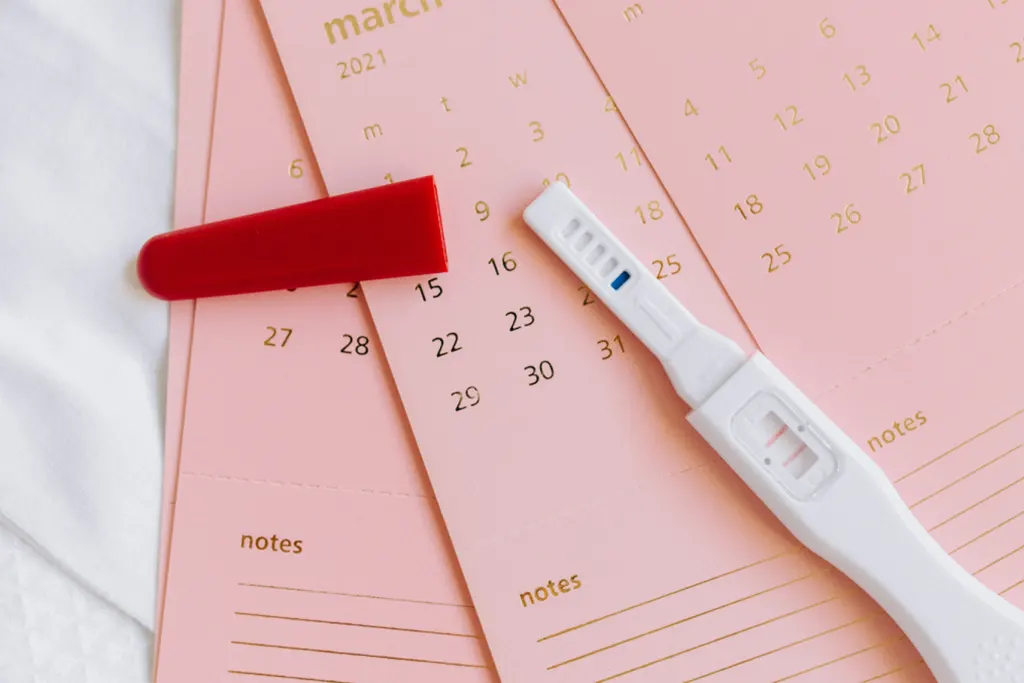
Is Your Period Late? How to Know If You’re Pregnant at 1 Month
So, you have missed your period. It is late than the regular menstrual cycle. Now you might have thought that you are pregnant. To confirm your pregnancy it is not necessary to miss the period. You need to do a pregnancy test.
How to Confirm Pregnancy at One Month
To confirm your pregnancy, you can have a home pregnancy test or a clinical pregnancy test.
Home Pregnancy Test
The most common and convenient way to check for pregnancy. These tests detect the presence of hCG. Home pregnancy tests are usually accurate when taken after a missed period, but some tests claim to detect pregnancy a few days before your missed period.
Tips for Using a Home Test:
- In the morning when your urine is most concentrated.
- Follow the instructions carefully for the most accurate result.
- If you get a negative result but still suspect pregnancy, wait a few days and test again.
Blood Test (from a Doctor)
A blood test can confirm pregnancy earlier than a home test, typically about 6–8 days after ovulation. It checks for the presence of hCG and can even measure the exact amount of the hormone in your blood.
Blood tests are typically done by a healthcare provider and are more sensitive than urine tests.
Ultrasound (Later Confirmation)
An ultrasound can confirm a pregnancy, typically around the 5–6 week mark. However, it may not always be performed during the first month. As the embryo may be too small to detect.
When to See a Doctor
If you suspect pregnancy and get a positive result on a home pregnancy test or if you are experiencing symptoms, it’s a good idea to make an appointment with a doctor. Early visits help ensure a healthy pregnancy and allow you to discuss any symptoms, concerns, or necessary lifestyle changes.
Caring for Yourself in the First Month of Pregnancy
In the 1st month, you get to know about your pregnancy, it will create excitement in you. However, with this overwhelming situation, your body faces some changes. You need to accept those changes and start taking care of yourself.
1. Confirm Your Pregnancy
To confirm your pregnancy, do a home pregnancy test. For further assurance, pay a visit to a doctor.
2. Eat a Balanced Diet
Focus on eating a healthy and varied diet that includes plenty of fruits, vegetables, whole grains, lean proteins, and dairy products.
Keep your meals balanced and avoid excessive junk food. It’s especially important to avoid foods that could harm the baby, like unpasteurized cheeses, deli meats, and raw seafood.
3. Stay Hydrated
Drink plenty of water to stay hydrated. Dehydration can lead to fatigue and other complications.
4. Manage Morning Sickness
Many women experience nausea and vomiting in early pregnancy, commonly known as morning sickness. If this happens, try eating small, frequent meals and avoiding strong odors.
Ginger, peppermint, and acupressure wristbands can sometimes help alleviate nausea.
5. Rest and Take It Easy
Your body is adjusting to the changes of pregnancy, so it’s important to rest when you feel fatigued.
Aim for 7-9 hours of sleep per night, and listen to your body when it tells you to rest during the day.
6. Avoid Harmful Substances
Eliminate alcohol, smoking, and recreational drugs from your lifestyle as they can harm your baby.
Limit caffeine intake and avoid any medications unless prescribed by your healthcare provider.
7. Exercise (Moderately)
If your healthcare provider gives you the go-ahead, continue with light exercise. Walking, swimming, or prenatal yoga can be great ways to keep your body active while maintaining a healthy pregnancy.
8. Schedule Your First Prenatal Appointment
During the first month, it’s important to schedule your first prenatal check-up with your doctor or midwife. This will help them assess your health, discuss your medical history, and offer guidance on how to proceed with your pregnancy.
9. Stay in Tune with Your Emotions
Pregnancy can bring a whirlwind of emotions due to hormonal changes. Be patient with yourself and try to manage stress.
Seek support from friends, family, or a counselor if you feel overwhelmed or anxious.
10. Be Aware of Symptoms That Require Immediate Attention
While some discomfort is normal, certain symptoms can indicate complications. Contact your healthcare provider if you experience heavy bleeding, severe abdominal pain, intense dizziness, or extreme headaches.
11. Get Support
Talk to your partner, family, or friends about your pregnancy. They can offer emotional support and help you through this early stage.
12. Take Time for Self-Care
Pregnancy can be physically and emotionally demanding, so don’t forget to take moments for yourself. Whether it’s a warm bath, reading a book, or meditating, find ways to relax and recharge.
When to Take a Pregnancy Test: Understanding the Timing
To do a pregnancy test on time is very important. So you need to know the accurate time for pregnancy testing.
- The best time to test pregnancy is when you miss your period or your period is late.
- You can test before your period is missed. In this scenario, the results might not be accurate.
- To test your pregnancy at home, the first urine is important.
FAQ About 1 Month Pregnant: Common Questions Answered
How do you feel at 1 month pregnant?
For 1 month pregnancy, the most common symptom is missing period. Others are morning sickness, mood swings, fatigue, food cravings, cramps, bloating, and so on.
Can you feel a baby at 1 month?
For a pregnant woman, it takes almost 1-3 weeks to know about her pregnancy. By this time the development and functionality of a baby is very early.
Can you feel pregnant after 1 month?
Yes, within 1-2 weeks a woman can feel her pregnancy. While missing her period, she can test the pregnancy. She can take a home pregnancy test of clinical pregnancy test.